
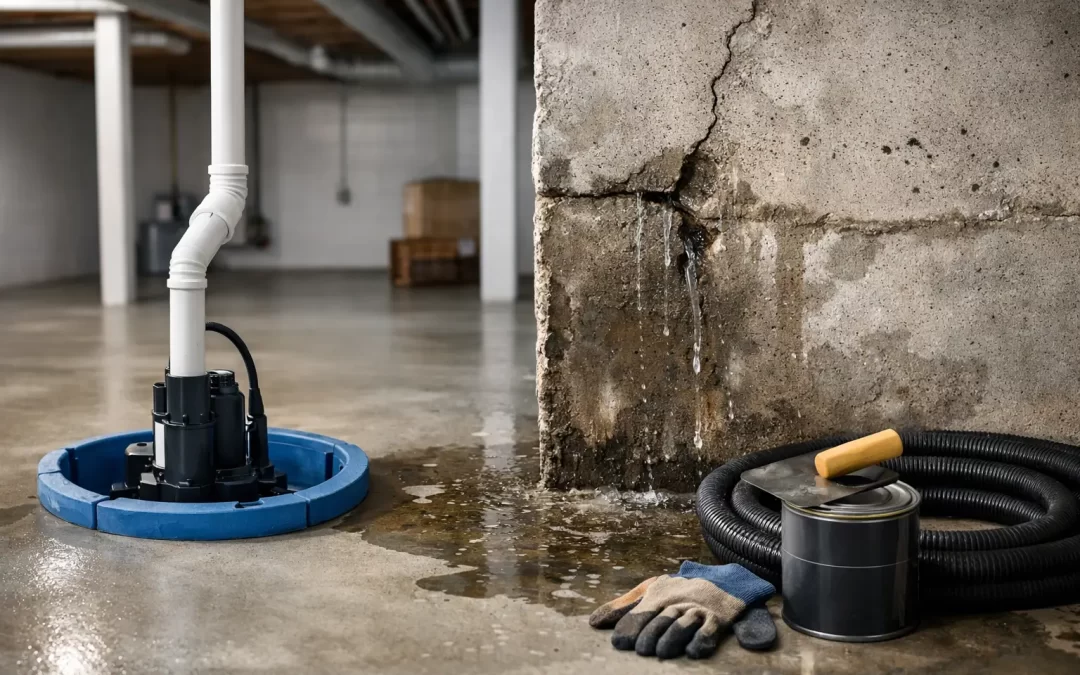
A basement does not have to flood to become expensive. Sometimes the warning signs are smaller – a musty smell after rain, white staining on the wall, damp carpet edges, peeling paint, or a crack that keeps getting darker. If you are asking is waterproofing a basement worth it, the real question is usually whether the cost now is lower than the damage that keeps building behind the wall, under the floor, or around the foundation.
In many cases, yes, waterproofing is worth it. But not every basement needs the same repair, and not every water problem calls for a full system. The smart answer depends on where the water is coming from, how often it happens, what kind of foundation you have, and what local soil and drainage conditions are doing around your home.
When waterproofing is worth the money
Waterproofing tends to pay for itself fastest when the basement is already showing signs of repeated moisture intrusion. That includes active leaks, standing water, damp walls, mold growth, rotting trim, or cracks that allow seepage during snowmelt or heavy rain. Once water is getting in more than once, it usually does not stay a minor issue.
A wet basement can damage more than stored boxes and finished flooring. Ongoing moisture raises indoor humidity, encourages mold, weakens drywall, damages framing, and can contribute to concrete deterioration over time. If water is entering through cracks or wall joints, that can also point to pressure building outside the foundation. In areas with expansive clay soils and freeze-thaw movement, that pressure does not usually improve on its own.
Waterproofing is also worth serious consideration if you plan to finish the basement, sell the property, or protect mechanical equipment located below grade. Furnaces, water heaters, electrical panels, and tenant storage are all expensive to expose to repeated water intrusion. In commercial and institutional properties, the cost of downtime, cleanup, and liability can quickly exceed the cost of a proper repair.
When the answer is not a simple yes
There are cases where waterproofing is necessary, but the type of repair matters more than the label. Some homeowners hear the word waterproofing and assume they need an expensive full-perimeter system right away. That is not always true.
If the problem is mainly surface drainage, the first fix may be correcting grading, extending downspouts, improving drainage paths, or dealing with ponding water near the foundation. If the issue is a single crack, localized crack injection or exterior crack repair may solve it. If the leak is happening at the cove joint or under the slab, then interior drainage and sump systems may be the more effective option.
So, is waterproofing a basement worth it in every house? No. Is solving basement water intrusion worth it before it spreads? Almost always.
Why basements leak in the first place
Most basement water problems come from pressure, pathways, and poor drainage working together. Water collects near the foundation because the grade slopes the wrong way, eavestrough discharge is too close to the house, or the soil holds moisture for a long time. That water creates hydrostatic pressure against the wall or under the slab.
Once pressure builds, water looks for the easiest entry point. That might be a shrinkage crack, a tie-hole, a cold joint, a gap around a pipe penetration, or the joint where the wall meets the floor. In older homes, parging and exterior damp-proofing may have deteriorated. In newer homes, settlement or poor drainage details can still create the same result.
In clay-heavy regions, the risk goes up because wet clay expands and dry clay shrinks. That movement can stress the foundation, open cracks, and make water entry more likely during seasonal changes. Add freeze-thaw cycles, and small defects can become recurring leaks.
The real cost of waiting
Homeowners often delay waterproofing because the basement only leaks once or twice a year. That sounds manageable until the next storm is heavier, the crack widens, or the finished area gets damaged.
Waiting usually costs more for three reasons. First, water damage spreads. What starts as a damp corner can move into flooring, insulation, and framing. Second, hidden moisture can create mold conditions long before visible growth appears. Third, the underlying cause may keep stressing the foundation. If movement, pressure, or drainage failure is left alone, repair options can become more extensive later.
This is especially true when a leaking basement is tied to foundation cracking or settlement. In that situation, waterproofing is not just about keeping the space dry. It is part of protecting the structure from ongoing deterioration.
Interior vs. exterior waterproofing
This is where a lot of confusion starts. People ask whether basement waterproofing is worth it, but what they really need to know is which method fits the failure.
Exterior waterproofing addresses the problem from the outside. It typically involves excavating to the foundation wall, repairing cracks or defects, applying a membrane or coating, and improving drainage at the exterior. This can be the right answer when water is entering through wall cracks or deteriorated exterior protection, especially if access is practical and the wall condition justifies excavation.
Interior waterproofing usually manages water after it reaches the wall or footing area. That may include an interior drainage channel, sump pit, sump pump, vapor management, and crack repair from inside. This approach is often less disruptive and can be very effective when hydrostatic pressure under the slab or at the wall-floor joint is the main issue.
Neither method is automatically better. The right one depends on how the basement is leaking, what the foundation condition is, and whether the goal is to block water at the source, manage it safely, or do both.
Is waterproofing a basement worth it for resale?
Usually, yes – especially if the alternative is disclosing a known water problem. Buyers notice basement odor, staining, fresh paint over suspicious areas, and dehumidifiers running nonstop. Even if a leak is not active during a showing, signs of past water entry can raise concerns about mold, structural issues, and future repair costs.
A properly diagnosed and repaired basement issue is generally better for resale than an untreated problem or a cosmetic cover-up. Buyers do not expect every older home to be perfect, but they do want evidence that water problems were handled correctly.
For income properties, the value is even clearer. Dry, usable lower-level space is easier to maintain, easier to lease, and less likely to generate complaints, insurance claims, or emergency cleanup costs.
What makes waterproofing worth it in Winnipeg-type conditions
In regions where soil movement, spring melt, and heavy rain put repeated stress on foundations, water management is not optional for long-term building performance. Homes built on expansive clay or in areas with challenging drainage patterns can experience recurring pressure around the foundation. That means a basement leak is often part of a bigger pattern, not a one-time accident.
That is why a no-nonsense inspection matters. A contractor should be looking at crack patterns, grading, discharge points, wall condition, floor joints, and signs of settlement – not just quoting a generic waterproofing package. Foundation Pros of Winnipeg has built its reputation on exactly that kind of practical diagnosis, because the wrong repair is just an added cost.
How to decide if it is worth it for your property
Start with frequency. If water has entered more than once, the problem is established. Then look at severity. Active seepage, recurring dampness, visible mold, stored valuables, or finished space all increase the cost of doing nothing.
Next, consider the cause. A simple drainage correction may be enough in some cases. In others, you may need crack repair, exterior sealing, interior drainage, or a sump solution. The decision should come from inspection findings, not guesswork.
Finally, think in terms of protection, not just repair cost. Waterproofing is often worth it because it prevents larger losses – structural damage, interior restoration, mold remediation, ruined finishes, and repeated emergency calls. If the basement is part of your living space, storage plan, or building operations, dry conditions are not a luxury. They are basic protection.
The best time to deal with basement water is before the next heavy rain tests the same weak point again. If something in your basement already smells damp, looks stained, or leaks when the weather turns, that is usually the building telling you not to wait.