
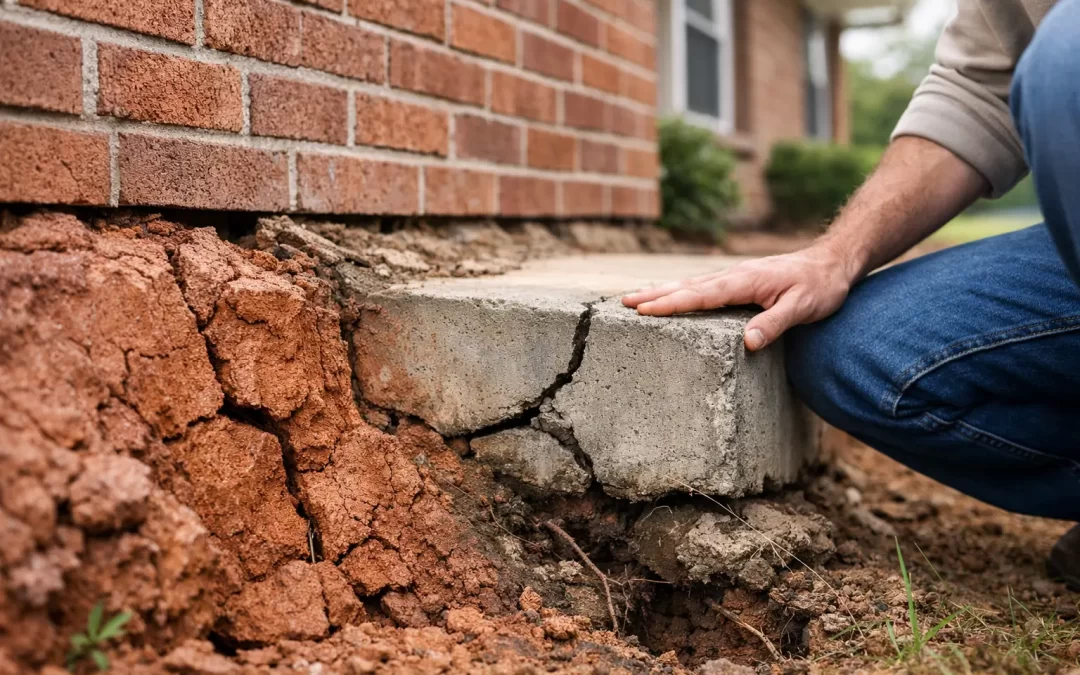
A basement wall that looked fine last fall can show a new crack by spring. A door that used to close properly starts sticking. Floor slopes become easier to feel than to ignore. That is how red river clay foundation problems usually show up – not all at once, but in small changes that point to bigger movement below the structure.
In Winnipeg and across the surrounding region, foundation performance is tied closely to what is happening in the soil. Red River clay is not just common local ground. It is highly reactive material that expands when it takes on moisture and shrinks when it dries out. That constant movement puts pressure on foundation walls, footings, slabs, and basement waterproofing systems. If the problem is caught early, repairs are usually more controlled and more affordable. If it is left alone, the structure keeps moving and the repair scope grows.
Why red river clay foundation problems happen
The core issue is soil movement. Red River clay has a high capacity to hold water, and that sounds harmless until moisture conditions change from one season to the next. After heavy rain, spring melt, or poor drainage, the clay swells and pushes against the foundation. During hot, dry periods, it contracts and leaves gaps or uneven support under parts of the home or building.
That cycle creates stress in more than one direction. Lateral pressure can push basement walls inward. Vertical movement can cause settlement in one area and heaving in another. In some cases, the structure is not just dropping – it is twisting because support conditions are changing unevenly around the perimeter.
Freeze-thaw conditions make the problem worse. Water in the surrounding soil and near the wall can freeze, expand, and increase pressure. Add aging waterproofing, poor grading, clogged drainage tile, or a failed sump system, and the foundation is being asked to resist soil movement and water intrusion at the same time.
The signs homeowners and property managers should not ignore
Some warning signs are obvious. Others are easier to dismiss until the damage spreads.
Foundation cracks are one of the first things people notice, but not all cracks mean the same thing. A thin vertical shrinkage crack may be less serious than a widening diagonal crack that keeps changing over time. Horizontal cracking in a basement wall is more concerning because it can point to lateral soil pressure and wall deflection.
Inside the building, you may see drywall cracks, uneven floors, gaps around windows, sticking doors, or trim separating from walls. In basements, damp spots, white mineral staining, musty odors, and water coming in at floor-wall joints often show up alongside structural movement. When those symptoms appear together, it usually means the issue is not cosmetic.
Commercial and institutional properties may show the same pattern on a larger scale. Slab settlement, wall movement, concrete surface deterioration, and recurring moisture problems around service penetrations or below-grade walls often trace back to the same soil and drainage conditions.
What red river clay does to different foundation types
Not every structure responds the same way to moving clay. That is why a proper diagnosis matters.
Poured concrete walls can crack and leak when soil pressure builds outside the wall. If drainage is poor, hydrostatic pressure adds another layer of stress. Block foundations are even more vulnerable to water entry and lateral movement because of the number of joints in the wall system.
Older homes may have shallow or aging footings that are more sensitive to seasonal soil changes. Newer homes are not immune either. If grading is wrong, roof water is not managed properly, or the supporting soils were not handled well during construction, movement can still happen.
Garage slabs, sidewalks, and exterior pads are also affected by red clay movement. That may seem separate from the main structure, but exterior concrete issues often provide early clues about shifting support conditions on the property.
Water management is often the real trigger
A lot of owners focus on the crack they can see. The better question is why that crack developed in the first place.
Poor drainage is one of the biggest triggers behind foundation movement in clay soil. Downspouts that discharge too close to the house, negative grading, ponding water, failed eavestroughs, and overloaded weeping tile systems all increase moisture around the foundation. That can lead to swelling soil, more wall pressure, and repeated wetting of the concrete.
The opposite condition can also cause damage. If one section of soil dries out faster than another because of sun exposure, tree roots, or inconsistent watering, the support under the foundation becomes uneven. That is when settlement patterns start to show up. It depends on the property, but both too much water and rapid drying can create structural problems in Red River clay.
Why waiting usually makes repairs more expensive
Foundation movement rarely corrects itself. Once the structure starts responding to unstable soil or chronic moisture, the damage tends to spread. A small crack becomes an active leak. A minor slope becomes visible settlement. A bowing wall continues to move until reinforcement or rebuilding is necessary.
There is also the moisture side of the problem. Water intrusion does not just damage concrete. It affects insulation, flooring, framing, finishes, and indoor air quality. In occupied buildings, that can quickly turn a structural repair into a broader restoration project.
The longer movement continues, the more likely it is that multiple systems need repair at once. Instead of fixing drainage and sealing one crack, the project may involve wall stabilization, waterproofing, sump upgrades, concrete restoration, and settlement correction.
How these problems are diagnosed properly
A real assessment goes beyond measuring a crack and giving a quick price. The repair plan should match the cause.
That usually means looking at crack pattern and width, wall movement, floor elevation changes, exterior grading, roof drainage discharge, water entry points, and the condition of the surrounding concrete. Moisture history matters too. A wall that leaks every spring tells a different story than a wall with a dry crack that has been stable for years.
For some properties, the right repair is focused drainage work and crack injection. For others, the problem involves structural reinforcement, underpinning, excavation, waterproofing membrane replacement, or slab correction. There is no honest one-size-fits-all answer with red river clay foundation problems because the same soil can produce different failures depending on the building, site, and moisture cycle.
Repair options that actually address the cause
The right repair strategy depends on whether the main issue is water, soil pressure, settlement, or a combination.
If the wall is cracked but otherwise stable, epoxy or polyurethane injection may stop leakage and restore continuity in the concrete. If the wall is bowing or shifting inward, reinforcement systems or more extensive structural repair may be needed. When exterior water is the main driver, excavation, waterproofing, drainage improvement, and proper discharge control are often part of the solution.
If the foundation is settling because of unstable support, underpinning or other load-transfer repairs may be required to stabilize the structure. Where slabs or concrete surfaces have deteriorated from movement and water exposure, concrete repair or replacement may be the more durable choice than repeated patching.
What matters is sequencing. Sealing a crack without fixing the drainage problem behind it is usually temporary. Replacing interior finishes before the leak path is controlled is wasted money. Good repair planning starts with stopping the cause of movement and moisture, then repairing the damage that cause created.
When to call for an estimate
If you have new cracks, widening cracks, recurring basement moisture, sloping floors, or signs of wall movement, waiting for another season is a gamble. The same goes for commercial properties showing concrete deterioration, below-grade leakage, or differential settlement.
A fast site visit does not mean rushing into major work. It means getting a grounded opinion before a manageable problem turns into structural damage. Foundation Pros of Winnipeg has dealt with these regional soil conditions since 1995, and that local experience matters when the problem is tied directly to how Red River clay behaves.
The best time to deal with foundation trouble is when the signs are clear but the damage is still contained. If your building is showing movement, moisture, or cracking, get it looked at while the repair options are still on your side.