
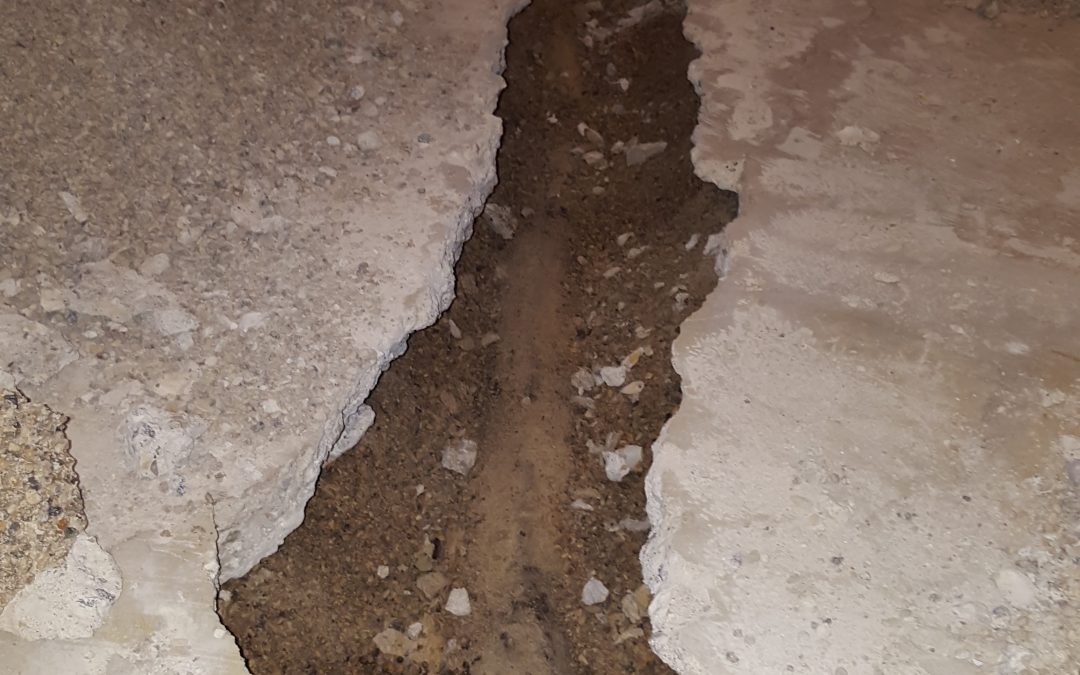
Foundation Heave vs. Settlement: Which One Is Wrecking Your Floors?
![[HERO] Foundation Heave vs. Settlement: Which One Is Wrecking Your Floors?](https://cdn.marblism.com/mh1NeihJT5s.webp)
If you live in Winnipeg, you already know that our ground doesn’t like to stay still. Between the deep freezes of January and the humid stretches of July, your home is essentially sitting on a living, breathing organism: the infamous Red River Valley clay.
At Foundations Pros of Winnipeg, we’ve been digging into this soil since 1995. We’ve seen it all, from basements that look like they’ve been through a seismic event to floors that feel more like a roller coaster than a living room. When your floors start to tilt, crack, or bounce, you’re likely facing one of two culprits: foundation heave or foundation settlement.
While they might look similar to the untrained eye, they are polar opposites in the world of physics. One is pushing your house up, and the other is letting it sink. Identifying which one is wrecking your floors is the first step toward a permanent fix.
The Winnipeg Factor: Why Our Soil is Different
To understand why your foundation is moving, you have to understand what’s happening beneath your feet. Most of Winnipeg sits on top of a thick layer of glaciolacustrine clay, a remnant of the prehistoric Lake Agassiz. This clay is highly “expansive.”
Think of it like a giant sponge. When it gets wet, it swells with incredible force. When it dries out during a hot Manitoba summer, it shrinks and cracks. This constant cycle of expansion and contraction is why foundation repair in Winnipeg is such a common necessity.

What is Foundation Settlement? (The Downward Sink)
Settlement occurs when the soil beneath your home can no longer support its weight. The house literally “settles” deeper into the earth.
In Winnipeg, this usually happens for a few specific reasons:
- Soil Desiccation: During a drought, the clay loses moisture and shrinks. This creates voids or gaps under your footings.
- Tree Roots: Large trees near your foundation act like straws, sucking all the moisture out of the clay and causing local shrinkage.
- Poor Compaction: If the soil wasn’t properly packed before the house was built, the weight of the structure will eventually compress it.
Signs of Settlement
If you are looking for house settling repair in Winnipeg, keep an eye out for these “sinking” symptoms:
- Stair-step cracks in your exterior brickwork or foundation walls.
- Gaps appearing between the top of your walls and the ceiling.
- Doors and windows that stick or won’t latch because the frame has tilted downward.
- Sloping floors that trend toward the exterior walls of the house.
For more details on identifying these issues, check out our guide on whether that foundation crack is actually a major problem.
What is Foundation Heave? (The Upward Push)
Heave is the opposite of settlement. Instead of sinking, a portion of your foundation is being forced upward. This is almost always caused by an increase in moisture that makes the clay expand.
In our climate, “frost heave” is also a major player. When water in the soil freezes, it expands by about 9%, exerting thousands of pounds of pressure against your concrete.
Signs of Heave
Heave is often more deceptive than settlement. Here is what to look for:
- Interior floor cracks: Unlike settlement, which usually shows up on exterior walls first, heave often wreaks havoc on your basement floor slabs.
- Heaved basement slabs: If you notice a “hump” in the middle of your basement floor, that’s heave.
- Interior partition walls cracking: You might see cracks in the drywall of your basement bedrooms or utility rooms as the floor pushes up into the wall studs.
- Doors sticking at the top: If the floor pushes up the door frame, the door will suddenly start rubbing against the top of the jamb.

Why Are Your Floors the First Victim?
You might wonder why the floors seem to bear the brunt of this movement. It comes down to weight and design.
Your exterior foundation walls and footings carry the entire weight of your house, the roof, the walls, the furniture, and you. This is a massive “downward” force. Your basement floor slab, however, is relatively light. It’s usually just a 3-to-4-inch thick layer of concrete resting on the ground.
When the clay expands, it looks for the path of least resistance. It’s much easier for the soil to push up a light floor slab than it is to lift a two-story exterior wall. This is why you might have perfectly straight exterior walls but a basement floor that looks like a topographical map.
Understanding how we stabilize these issues is crucial. You can read more about our process in Underpinning 101.
Heave vs. Settlement: A Quick Diagnostic
Not sure which one you’re dealing with? Use this checklist:
The Dangers of “DIY” or Temporary Fixes
We often see homeowners try to “patch” their way out of these problems. They might fill a floor crack with some store-bought filler or trim the bottom of a sticking door.
Don’t wait! These are symptoms of a structural struggle between your home and the earth. Ignoring heave or settlement can lead to broken plumbing lines under your slab, significant structural damage, and a massive hit to your home’s resale value.
In Winnipeg, moisture management is your best friend. From proper grading to ensuring your downspouts discharge at least six feet away from the house, prevention is key. You can find more tips on this in our post about preparing for the spring melt.

How We Fix the “Wreckage”
At Foundations Pros of Winnipeg, we believe in a “team approach.” We don’t just show up and start pouring concrete. We evaluate the soil, the drainage, and the structural integrity of your specific build.
For Settlement:
The gold standard for fixing a sinking house is underpinning. We install steel piers or concrete piles deep into the ground: often reaching the more stable till or bedrock below the shifting clay. This transfers the weight of your home off the unstable surface soil and onto a solid foundation.
For Heave:
Fixing heave often involves addressing the moisture source. This might mean installing internal weeping tile systems, improving exterior drainage, or in some cases, replacing a badly damaged slab with a new one that includes a “void form” (a material that creates a gap between the soil and the concrete to allow for expansion).
Whatever the solution, we focus on durability. We want your family to feel safe and your home to remain an asset for decades to come.

A Better Future for Winnipeg Homes
Lloyd Harder, our General Manager, always says: “Join us in making Winnipeg a better community for our families and our children’s future.”
That mission starts right under your feet. A stable foundation is the literal bedrock of a safe home and a strong neighborhood. We aren’t just a construction company; we are your neighbors who happen to be experts in the very specific, very stubborn soil of the prairies.
If your floors are starting to tell a story of movement, don’t let the plot get out of hand. Big trouble can be avoided if caught early. Whether it’s the downward pull of settlement or the upward thrust of heave, we have the tools and the local experience to level the playing field.
Are you worried about your foundation?
Don’t guess. Let the pros take a look. We offer free estimates and a professional assessment to help you understand exactly what’s happening beneath your home.
Contact Foundations Pros of Winnipeg today for your Free Estimate.
Keep your home on solid ground.